
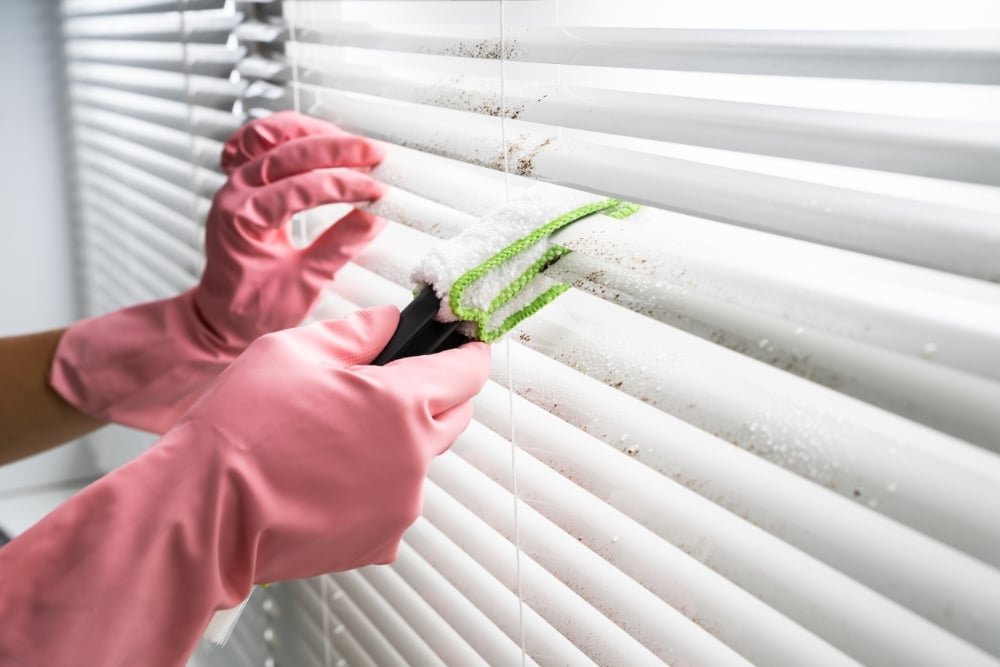

Blinds are a practical way to control light, privacy, and insulation, but dust and marks build up quickly if they are not cleaned. The correct cleaning method depends on the material, as timber, fabric, aluminium, and PVC blinds all react differently to moisture and products. Using one approach for all types risks damaging surfaces or shortening their lifespan.
Routine care is simple and does not take much time. Light dusting prevents build-up, while occasional deep cleaning helps maintain function and appearance. Choosing the right method not only improves hygiene indoors but also keeps blinds operating smoothly.
This guide sets out effective ways to clean different blind materials. By following these steps, blinds can stay in good condition, reduce allergens, and last longer without requiring difficult or time-consuming maintenance.
Why Blind Material Matters
Not all blinds can be cleaned the same way. Each material responds differently to water, detergents, and cleaning tools, so using the wrong method may cause swelling, marks, or scratches. Fabric blinds need gentle care to avoid stains, while aluminium and PVC blinds can usually handle damp cloths or mild cleaning solutions.
Choosing the correct approach improves appearance and helps blinds last longer. In areas like the Upper Hunter, where dust and pollen are common, blinds collect particles quickly, making regular cleaning even more important. Simple routines reduce build-up and keep blinds operating smoothly.
For households considering new window coverings, it helps to understand how different materials need to be maintained. Some options require only light care, while others may need professional attention from time to time. Exploring the full range of blinds also allows you to compare cleaning needs and choose styles that match both lifestyle and maintenance preferences.
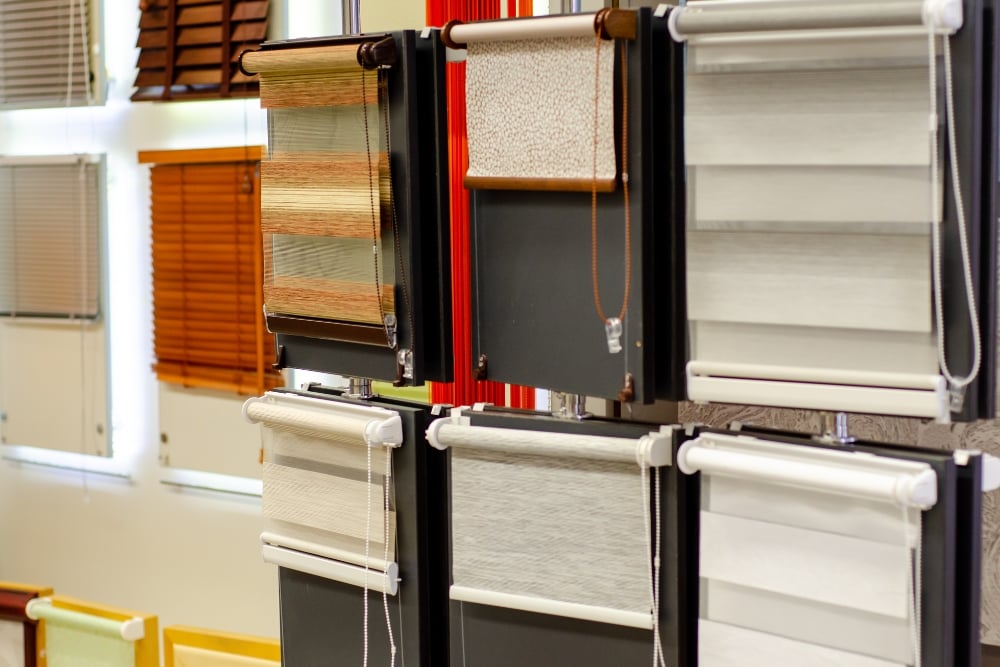
Cleaning Checklist for Fabric Blinds
Fabric blinds, such as roller and Roman designs, trap dust and absorb odours, so they need gentle care. Routine cleaning prevents stains, reduces allergens, and helps the fabric last longer. A vacuum with a soft brush attachment on a low setting is suitable for regular maintenance.
Checklist for fabric blinds:
- Vacuum weekly with a brush attachment to remove loose dust
- Spot clean stains using a damp cloth with mild detergent, blotting gently
- Avoid soaking fabric to prevent watermarks and mould
- Schedule an annual deep clean, using professional upholstery services if required
These steps keep fabric blinds neat, reduce the risk of staining, and maintain their colour without causing damage to the material.
Cleaning Checklist for Aluminium Blinds
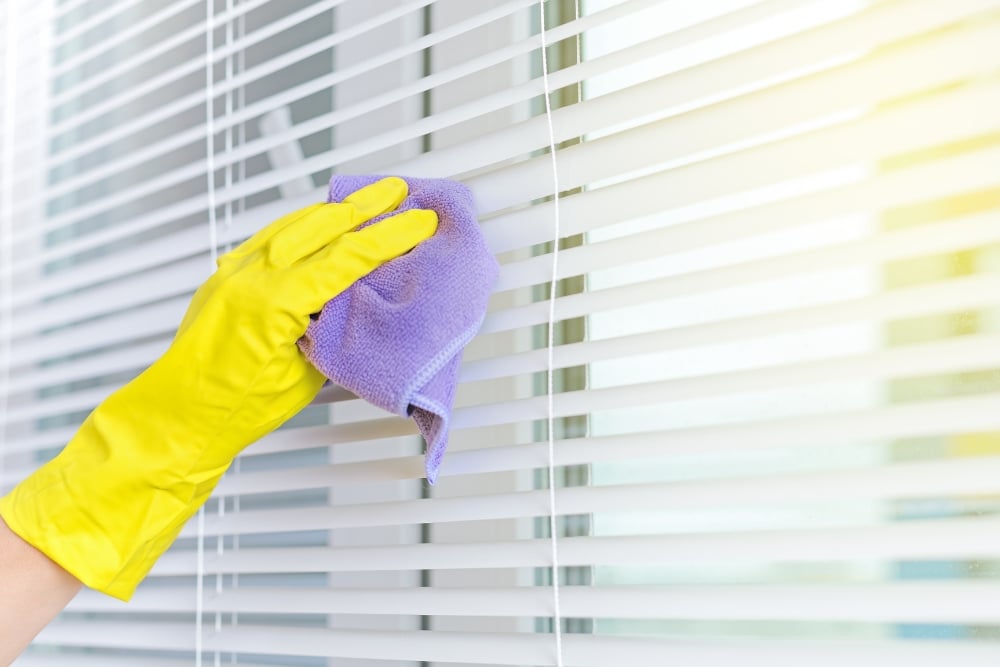
Aluminium blinds are durable and simple to maintain, which makes them popular in kitchens, offices, and other high-use areas. Their smooth surfaces collect dust and grease, but routine cleaning keeps them in good condition without much effort. A soft cloth or vacuum with a brush attachment works well for everyday care.
Checklist for aluminium blinds:
- Dust weekly using a microfibre cloth or vacuum with a brush attachment
- Wipe monthly with a damp cloth and mild detergent to remove marks
- Dry immediately using a soft towel to prevent streaks and water spots
- Avoid abrasive products that may scratch or dull the surface
These steps ensure aluminium blinds remain clean and functional while maintaining their finish. With regular attention, they stay free of grease, dust, and marks that often appear in busy household or workplace settings.
Cleaning Checklist for PVC Blinds
PVC blinds are strong, moisture-resistant, and easy to clean, which makes them suitable for bathrooms, laundries, and other damp spaces. They also work well in living areas where durability and low upkeep are priorities. Regular cleaning prevents dust, mildew, and marks from building up.
Checklist for PVC blinds:
- Dust regularly with a soft cloth or vacuum using a brush attachment
- Wipe with a mild soap solution and a damp sponge for deeper cleaning
- Rinse with clean water and dry using a soft towel to avoid streaks
- Use a gentle vinegar solution to treat mould in damp areas if needed
These simple steps help PVC blinds stay fresh and functional with minimal effort. Their resilience and low maintenance needs make them a practical choice for households that want clean, long-lasting window coverings without complex care routines.
Tips for Easier Blind Maintenance
Keeping blinds clean does not need to be time-consuming. Simple habits make the process easier and prevent the need for heavy cleaning. Building these routines into regular housework helps maintain both appearance and function.
Tips for blind maintenance:
- Rotate cleaning across rooms each week instead of doing the whole house at once
- Close blinds fully before dusting so all slats or panels are easy to reach
- Use a blind cleaning tool that can wipe multiple slats at once
- Keep windows and doors closed on windy days to limit dust settling
These practices reduce dust build-up and save time. Small efforts each week stop dirt from becoming harder to remove later. Regular attention also helps blinds last longer and ensures they continue to provide light control, privacy, and insulation without extra effort.

Clean Blinds, Cleaner Spaces
Clean blinds improve the look of a home and help create a healthier indoor environment by reducing dust and allergens. Whether they are fabric, aluminium, or PVC, each material benefits from specific care methods. Following the right routine keeps them in good condition and ensures they last longer.
Weekly dusting and occasional deep cleaning are enough to maintain blinds without taking much time. Regular care prevents build-up, keeps mechanisms working smoothly, and helps blinds continue to provide privacy, light control, and insulation.
For the best results, choose cleaning techniques suited to the material and stay consistent. Small efforts make blinds easier to manage and extend their life, which saves money and keeps spaces looking neat and comfortable.
FAQs
How often should blinds be cleaned?
Weekly dusting is recommended, with deeper cleaning scheduled once or twice a year depending on the material and room conditions.
What is the safest way to remove stains from fabric blinds?
Blot gently with a damp cloth and mild detergent. Avoid scrubbing or soaking the fabric, as this can cause damage or leave watermarks.
Can aluminium blinds be washed in water?
Yes, but only if removed and placed in a bathtub with mild soap. They must be dried thoroughly to avoid water spots and potential corrosion.
Are PVC blinds resistant to mould?
PVC blinds resist moisture but may still develop mould in damp spaces. A diluted vinegar solution can be used for safe removal.