
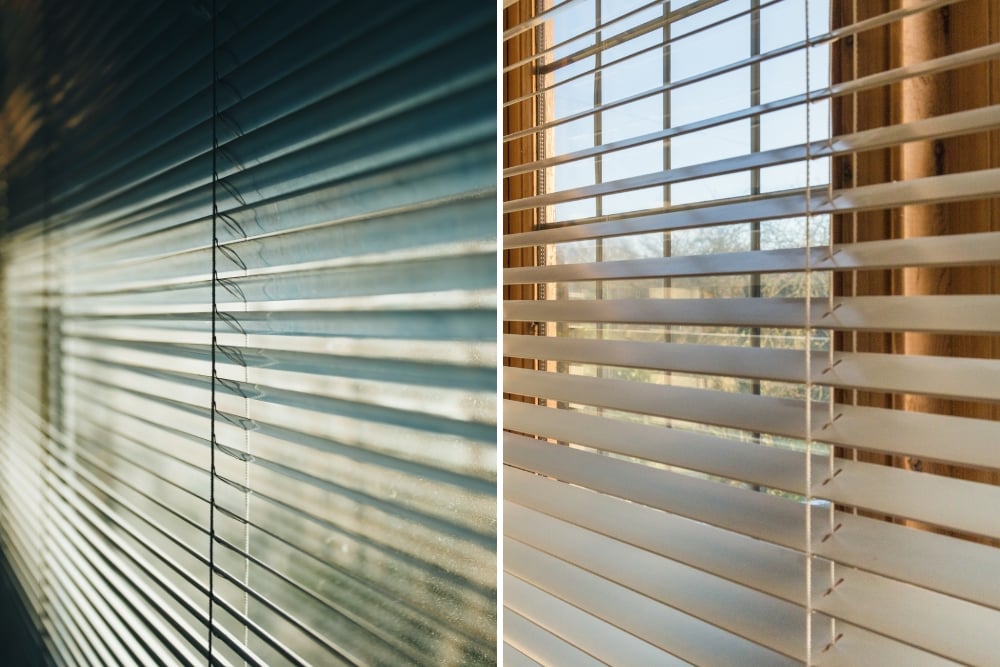
Yes. Aluminium blinds generally last longer than timber lookalikes. Their resistance to moisture, heat, and everyday wear makes them suitable for a wide range of household environments, including kitchens and bathrooms. Timber look designs, often made from PVC or composite materials, provide the appearance of natural wood but are more likely to fade or become brittle with long-term exposure to sunlight and temperature changes.
Both options remain popular because they balance style and practicality. Aluminium is often chosen for strength and low maintenance, while timber lookalikes appeal to homeowners who want the warmth of wood without the higher cost or maintenance.
This comparison reviews durability, maintenance needs, and style differences to highlight how each performs over time and which is likely to offer greater value in the long run.
Durability
| Feature | Aluminium Blinds | Timber Lookalikes (Faux Wood) |
| Material strength | Strong and lightweight, resistant to warping, cracking, and fading | Made from PVC or composites, durable but not as tough as aluminium |
| Moisture resistance | Does not absorb moisture, ideal for kitchens, bathrooms, and laundries | More moisture-resistant than real timber but can weaken over time |
| Sunlight exposure | Withstands heat and UV without major colour change | Long-term exposure may cause fading or brittleness |
| Overall lifespan | Long-lasting with minimal wear | Shorter lifespan compared to aluminium in harsh conditions |
Summary
Aluminium Venetian blinds generally last longer due to superior resistance to moisture and sunlight. Timber lookalikes provide style but are less durable in high-exposure areas.
Maintenance
| Feature | Aluminium Blinds | Timber Lookalikes (Faux Wood) |
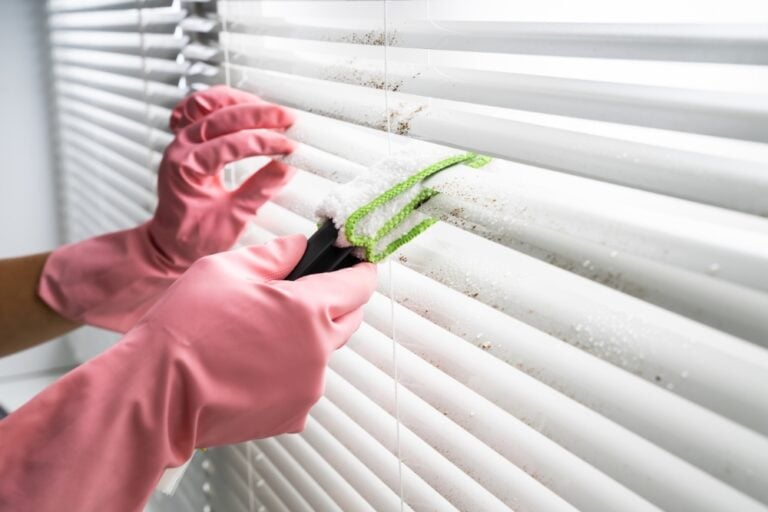
| Cleaning needs | Quick dusting or wipe-down keeps them clean | Require more care to avoid scratches or surface wear |
| Stain resistance | Resistant to most stains, no special treatments needed | More prone to marks, must avoid harsh cleaning products |
| Effort required | Low effort, suitable for busy households | Moderate effort, care needed to preserve finish |
| Long-term maintenance | Minimal, retains condition with basic cleaning | Needs cautious handling to maintain appearance over time |
Summary
Aluminium blinds are easier to maintain and suit households looking for a practical option. Timber lookalikes need more careful cleaning to prevent surface damage.
Style
| Feature | Aluminium Blinds | Timber Lookalikes (Faux Wood) |
| Overall look | Sleek and modern, suits contemporary interiors | Classic and warm, mimics the appearance of natural timber |
| Colour and finish range | Wide variety of colours and finishes for custom styling | Typically available in wood tones and neutral shades |
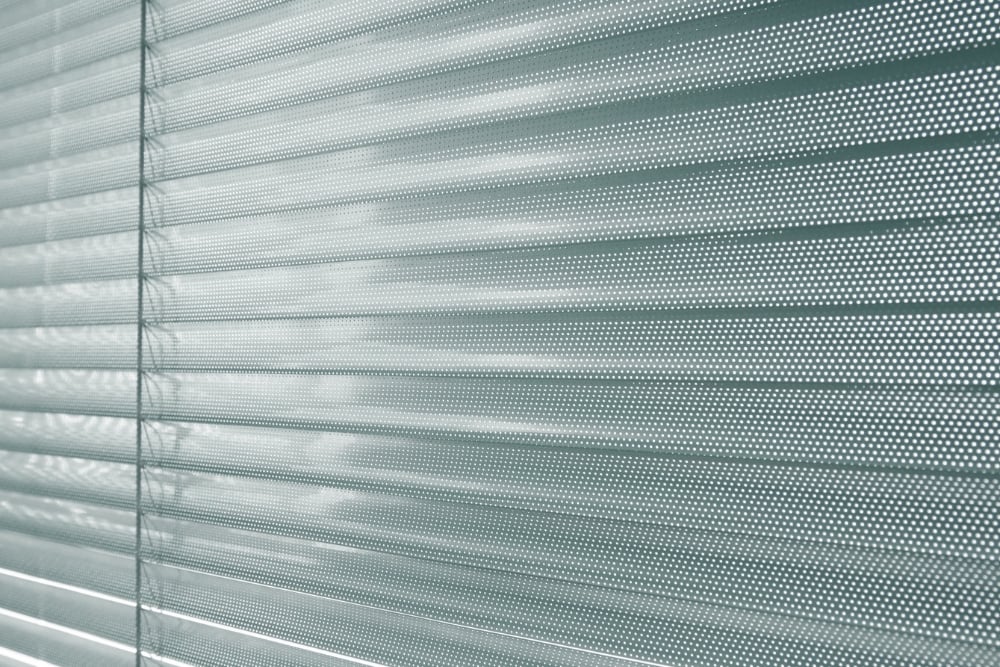
| Slat design | Slim slats allow precise control of light and privacy | Broader, wood-like slats create a natural, traditional effect |
| Best suited for | Minimalist, modern, and practical spaces | Homes seeking a timber look without the cost or maintenance |
Summary
Aluminium blinds emphasise a modern design with a wide colour range, while timber lookalikes deliver a natural aesthetic that suits both traditional and modern homes.
Which Lasts Longer?
In most household conditions, aluminium blinds last longer than timber lookalikes. Their resistance to moisture, heat, and daily wear helps them maintain function and appearance with little maintenance. Timber look blinds, while more durable than natural timber, are more likely to fade or weaken over time when exposed to strong sunlight or fluctuating temperatures.
That said, timber lookalikes remain a good option for living spaces where appearance is the main priority. Many households combine the two, installing aluminium in kitchens, bathrooms, or other high-moisture areas and using timber lookalikes in bedrooms or living rooms to create a warm, natural feel.
Making the Choice
When comparing durability, aluminium blinds generally last longer due to their strength and resistance to moisture and heat. They require little maintenance and hold up well in kitchens, bathrooms, and other areas exposed to humidity.
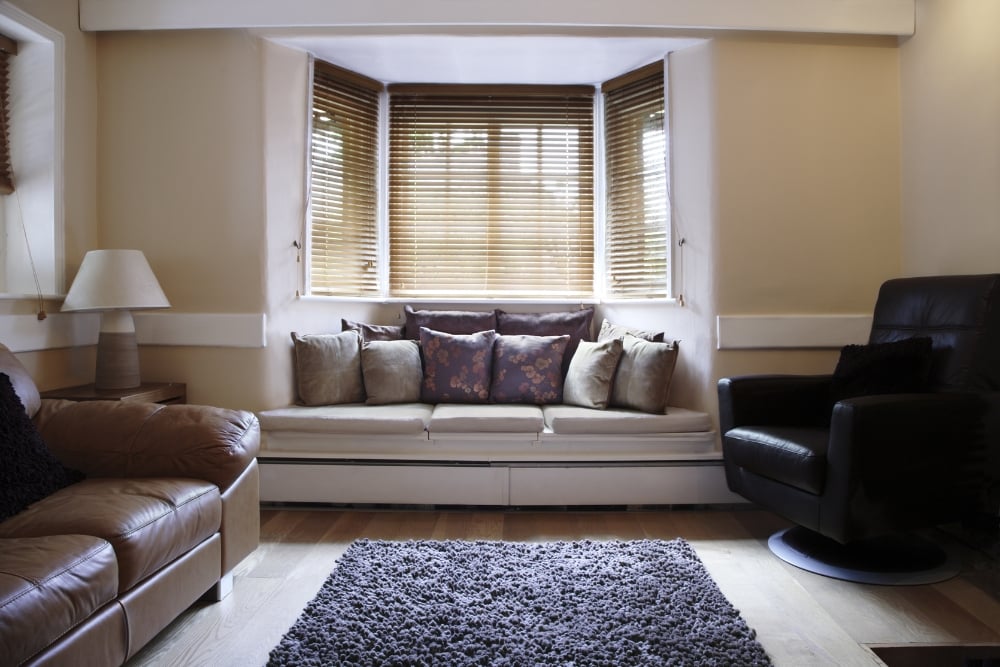
Timber lookalikes, while less durable, remain popular for their ability to replicate the warmth of natural wood. They are better suited to living rooms, bedrooms, or spaces where style and atmosphere are the main focus rather than resilience.
For households weighing the options, aluminium offers long-term durability and ease of care, while timber lookalikes provide an affordable way to achieve the feel of timber without the same maintenance. A broader selection of both styles is available through Blinds Deal.
FAQs
Are timber lookalike blinds waterproof?
No. While they resist moisture better than real timber, they are not fully waterproof. Extended exposure to water can still cause swelling or damage.
Do aluminium blinds provide insulation?
Yes. Aluminium blinds can help reduce heat transfer, especially when closed, but they are less effective than curtains or cellular blinds for thermal insulation.
Can timber lookalike blinds be used outdoors?
They are designed for indoor use only. Outdoor exposure to rain and sun will shorten their lifespan.
Are aluminium blinds noisy in windy conditions?
They can rattle slightly if windows are left open, but this can be reduced with proper fitting or by choosing blinds with wider slats.
What is the best way to dispose of old blinds?
Aluminium blinds can often be recycled as scrap metal, while timber lookalike blinds usually go to general waste unless local recycling programs accept PVC materials.