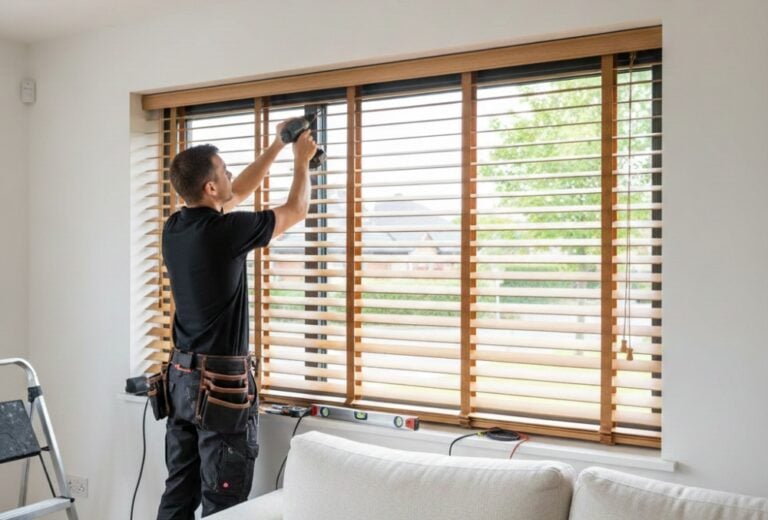


Blinds and curtains both serve as window coverings, but they differ in how they manage light. Curtains provide softness and style, yet their adjustments are limited to open, closed, or partly drawn positions. Blinds offer finer control, making them more practical for households where managing daylight and privacy is important.
In regions with strong or shifting sunlight, blinds adapt easily throughout the day. Their design allows light to be filtered, blocked, or redirected without needing to fully open or close them. This flexibility makes blinds a stronger option for modern Australian homes seeking comfort and function in daily use.
The Flexibility of Blinds vs Curtains
Curtains usually move along a track or rod, allowing them to be opened, closed, or partly drawn. This works when full shade or full light is needed, but it does not suit situations where partial cover is required.
Blinds provide much greater flexibility. Slats or panels can be adjusted to reduce glare, soften light, or maintain privacy without fully blocking the view. As daylight shifts, blinds can be altered quickly to match changing conditions, avoiding the need to open and close them repeatedly.
This level of control makes blinds more responsive to daily light changes, particularly in spaces used for work, study, or relaxation. Their adaptability ensures consistent comfort throughout the day in ways curtains cannot match.
Precision in Light Control
Blinds allow precise adjustments that curtains cannot match. Slats and louvres can be tilted to reduce glare while still letting in natural light, or set to block direct sunlight while maintaining brightness in other parts of the room. Curtains are limited to broad movements that do not provide the same level of control.
Examples of effective use include tilting slats upward to block glare, lowering panels in the morning to reduce strong sunlight, or adjusting blinds in the afternoon to cut harsh rays without darkening the space. This fine-tuning is particularly useful in bedrooms, offices, and media rooms where controlled light levels are essential.
Curtains may soften or filter light, but blinds provide more deliberate management of brightness and privacy. Their precision ensures better comfort and usability across different times of the day.
Blackout and Near-Blackout Capabilities
Curtains made from heavy fabrics can block much of the light, but small gaps at the sides or top usually allow some brightness to enter. For full darkness, this is often insufficient.
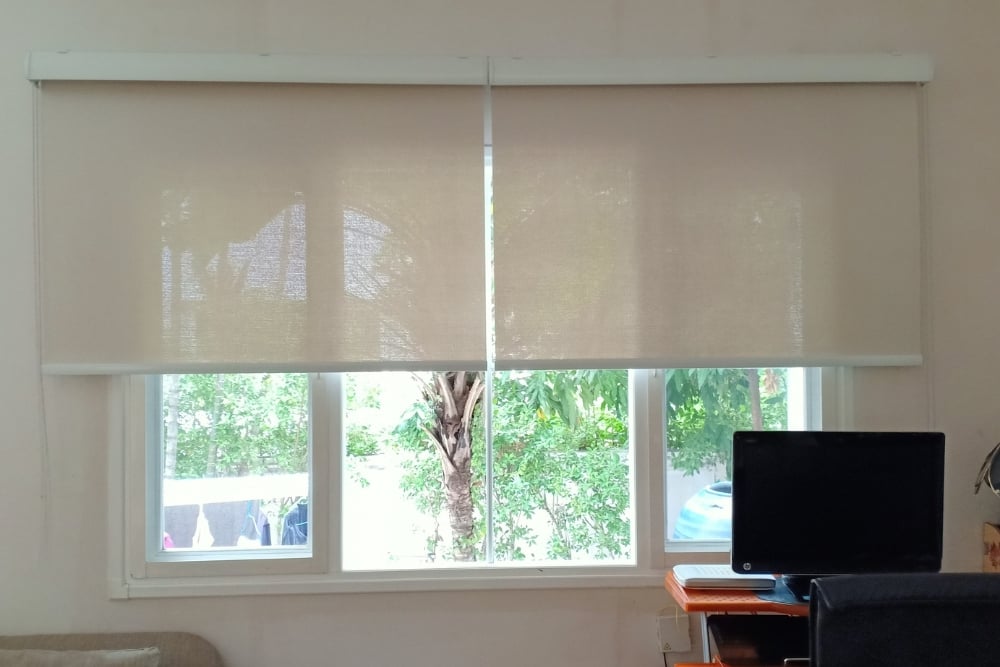
Blinds provide stronger blackout performance. Roller blinds with specialised fabrics can block almost all external light. Vertical and Venetian styles offer adjustable privacy while still achieving near-total darkness when closed. Recess-mounted blinds reduce side gaps, preventing light leakage around the edges.
These features make blinds more effective than curtains in spaces where light control is critical. Bedrooms, media rooms, and offices that require reduced glare benefit from the ability of blinds to create darker conditions when needed.

Practical Benefits Beyond Light
Blinds provide everyday advantages that extend beyond managing brightness. They are generally easier to maintain, needing only a quick wipe, while curtains often require washing or dry cleaning. Blinds also save space by fitting within the window frame, unlike curtains that occupy more room.
Durability is another factor. Materials such as aluminium, PVC, and treated fabrics withstand sun exposure and moisture, making blinds long-lasting in different environments. They also offer design versatility. A clean, modern finish suits many interiors, and blinds can be paired with sheers when a softer effect is desired.
These qualities make blinds a practical option for households seeking functionality, durability, and simple upkeep in addition to light control.
When Curtains Still Shine
Curtains continue to have value in certain settings. While blinds are often the practical choice for light control, curtains contribute qualities that blinds alone may not provide. They are often chosen for their ability to influence atmosphere and design in a room.
Key benefits of curtains include:
- Adding softness and warmth to interior spaces
- Providing texture and colour variety for design purposes
- Creating ambience in formal areas such as dining or living rooms
In many homes, the most effective solution is a combination of both. Blinds handle functional light control, while curtains deliver decorative appeal and a sense of comfort.
Blinds for Everyday Light Control
Curtains contribute style and softness, but blinds are the stronger choice for daily light management. Their flexibility, precise adjustments, and blackout options make them more effective in meeting the needs of modern homes.
From roller blinds to Venetians, options are available to suit different spaces and preferences. For households that value comfort, privacy, and functionality, blinds provide consistent performance throughout the day.
Curtains can still complement blinds by adding warmth and visual appeal, but for reliable control of brightness and glare, blinds remain the more versatile and practical solution. For modern options, explore roller blinds that combine design and function.
FAQs
Do blinds block out heat as well as light?
Yes. Certain blind fabrics and coatings can reduce heat while still allowing soft daylight through.
Which type of blind works best for bedrooms?
Roller blinds with blockout fabrics are often chosen for bedrooms due to their ability to reduce light and improve sleep.
Are blinds easier to clean than curtains?
Yes. Most blinds can be wiped with a cloth, whereas curtains typically require washing or dry cleaning.
Can blinds and curtains be used together?
Yes. Many households combine blinds for functionality with curtains for decorative appeal.